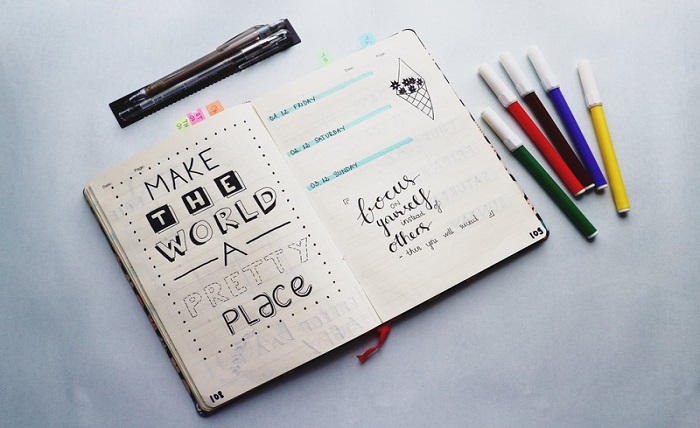
Many people start a journal with enthusiasm but eventually stop because they run out of things to write. After documenting daily events for a few weeks, it’s easy to feel like every entry sounds the same. The good news is that journaling doesn’t have to follow a single format. In fact, adding creativity to your writing routine can make the experience more enjoyable and meaningful.
A journal is a personal space where ideas can develop freely. It doesn’t need to follow strict rules or perfect grammar. Some days you may write about your goals, while other days you may capture a dream, sketch an idea, or reflect on an inspiring conversation. The beauty of journaling lies in its flexibility.
When you allow yourself to write creatively, your journal becomes more than a record of daily events—it becomes a place where imagination, learning, and personal growth come together.
Why Creativity Matters in Journaling
Creativity isn’t limited to artists, musicians, or writers. Every person has the ability to think creatively, solve problems in unique ways, and express original ideas.
Journaling creates a safe environment where creativity can develop without pressure.
Unlike work assignments or school projects, your journal has no deadlines or expectations. You can explore ideas, ask questions, or simply write whatever comes to mind.
This freedom often leads to surprising insights and fresh perspectives.
Move Beyond Recording Your Day
Many beginners believe journaling means describing everything that happened from morning until night.
While daily reflections are valuable, they are only one option.
Your journal can include topics such as:
- Future dreams
- Childhood memories
- Favorite books
- Inspirational quotes
- Travel plans
- Business ideas
- Personal lessons
- Random observations
Changing your focus from time to time keeps journaling interesting and prevents it from feeling repetitive.
Use Writing Prompts for Inspiration
When you don’t know what to write, prompts can help.
Consider questions like:
- What made me smile today?
- What challenge helped me grow recently?
- If I could learn any new skill, what would it be?
- What advice would I give my younger self?
- What does success mean to me?
Simple questions often lead to thoughtful and unexpected answers.
Create Lists Instead of Paragraphs
Not every journal entry needs to be a long piece of writing.
Sometimes lists can be just as meaningful.
You might create lists such as:
- Books I want to read
- Places I hope to visit
- Lessons I’ve learned this year
- Habits I want to improve
- People who inspire me
- Things I’m grateful for
These quick entries are easy to write while still encouraging reflection.
Capture Ideas Before They Disappear
Creative ideas often appear unexpectedly.
You might think of a business opportunity while walking, a story idea before bed, or a solution to a problem during lunch.
Instead of hoping you’ll remember later, write it down immediately.
Many successful entrepreneurs, authors, and creators carry notebooks specifically for this reason.
Small ideas recorded today may become significant projects in the future.
Combine Goals With Creativity
Journaling isn’t only about reflection.
It can also become a planning tool.
For example, you can:
- Design a vision for the next year.
- Brainstorm business concepts.
- Plan personal projects.
- Outline creative hobbies.
- Set monthly challenges.
Writing these ideas makes them feel more tangible and encourages consistent action.
Experiment With Different Writing Styles
Keeping every journal entry in the same format can become repetitive.
Instead, try changing your style occasionally.
You might write:
- A letter to your future self
- A conversation with your younger self
- A fictional story based on real events
- A motivational message
- A page of positive affirmations
Exploring different Journaling techniques keeps the experience fresh while helping you discover new ways to express yourself.
The more variety you introduce, the more enjoyable journaling becomes.
Let Go of Perfection
One of the biggest obstacles to creativity is the belief that every page must sound impressive.
Your journal isn’t a published book.
It isn’t being graded.
It doesn’t need perfect grammar or beautiful handwriting.
Write naturally.
Cross out mistakes if necessary.
Leave unfinished thoughts if they don’t yet have answers.
Authenticity always creates more value than perfection.
Build a Routine That Encourages Creativity
Creative habits grow through consistency.
Choose a time when you feel relaxed and free from distractions.
Some people enjoy writing first thing in the morning when ideas feel fresh.
Others prefer reflecting during quiet evenings.
Keeping the same routine Journaling techniques journaling feel like a natural part of your day rather than another task on your schedule.
Even ten minutes of uninterrupted writing can generate meaningful ideas.
Watching Your Creativity Grow
One of the most rewarding aspects of journaling is looking back through previous entries.
You’ll likely notice how your ideas have evolved.
Projects that began as simple notes may become completed goals.
Questions that once seemed difficult may now have clear answers.
As you continue experimenting with different Journaling techniques, you’ll develop a writing style that reflects your personality, interests, and long-term aspirations.
Your journal gradually becomes a collection of ideas, memories, lessons, and creative discoveries that continue to grow alongside you.
Conclusion
Creative journaling is about giving yourself permission to think freely, explore ideas, and express yourself without limitations. Whether you write detailed reflections, simple lists, future plans, or imaginative stories, every page contributes to a deeper understanding of yourself and your goals.
The most important step is simply to keep writing. Over time, your journal will become more than a notebook—it will become a source of inspiration, personal growth, and creativity that you can return to whenever you need fresh ideas or a new perspective.