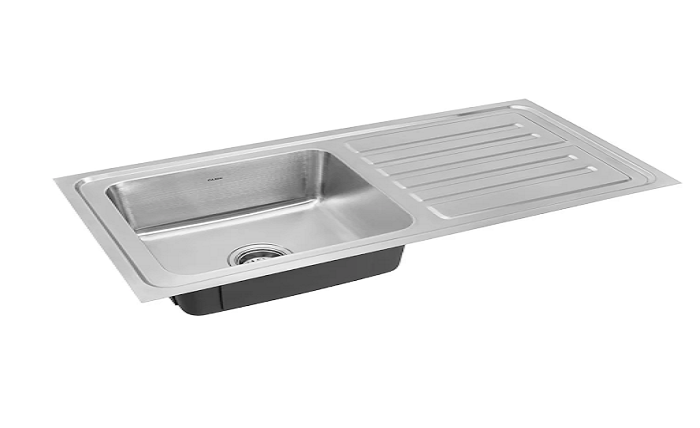
Indian kitchens are known to be the busiest and clumsiest places in our houses. To maintain the right hygiene in our kitchens we need to be conscious while choosing our sinks. Sinks directly impact our kitchen environments and the best steel sinks play a pivotal role to maintain the daily functionality and hygiene.
Dive through this comprehensive guide to explore how choosing the best steel sink for kitchen while upgrading or renovating your kitchen will be the best decision for your household.
Introduction to Modern Kitchen Dynamics
Modern kitchens have moved past being merely preparation areas into busy centers of activity within a home. The heart of such an environment lies in the cleaning area. Selecting the appropriate fixture for this area determines how seamlessly the activities move from preparation to clean-up after the meal.
One of the wisest investments that a person can make when trying to improve their kitchen is in high-quality sinks made from the best stainless steel available.
Why Stainless Steel Is The Best To Maintain Hygiene
To understand why stainless steel is the best when it comes to maintaining hygiene in the kitchen, we must know about their design, structure, and materials. The high quality kitchen sinks are made from high-quality alloys, mostly grade 304 stainless steel, that have a certain mixture of chromium and nickel.
1. Non-Porous Surface Structure
High-grade stainless steel does not contain any pores. Pores in porous substances provide microscopic pockets that trap water, organic food bits, and microorganisms.
Since there are no pores in steel, the microorganisms and other bacteria do not find any anchor point on which to thrive. Any time the surface is washed, there is absolutely no residue left behind.
2. The Self-Healing Passive Layer
The chromium present in high-quality stainless steel undergoes a natural reaction with oxygen in the atmosphere. The result is the creation of an invisible and very thin layer of chromium oxide all over the steel surface. This layer is known as a passive layer and serves as a protector against rust, corrosion, and discoloration.
In case any superficial scratches occur in the sink due to a heavy pan, the exposed chromium is able to expose itself to oxygen and form the protective layer again.
3. Resistance to Chemical and Thermal Shock
The kitchen environment puts the sink basin through extreme changes in temperature, for example, when hot pasta water is dumped right after being put into ice water. Also, the sink will come in contact with the chemicals due to the use of acidic fruits such as tomatoes and limes, as well as dish soap.
Low-quality metals may develop tiny fractures and even cracks due to the thermal stress. While stainless steel can withstand any type of temperature without fracturing, thus keeping its smoothness intact.
Direct Architectural Impacts on Workflow and Functionality
Functionality in a culinary space is measured by how effectively a layout minimizes physical effort, reduces task time, and adapts to various culinary needs. The architecture of a premium steel basin optimizes your workflow through deliberate structural choices.
| Functional Feature | Architectural Specification | Direct User Benefit |
| Gauge Thickness | 16 to 18 Gauge Steel | Eliminates flexing, drastically dampens structural noise, and prevents denting from heavy cast-iron cookware. |
| Bowl Depth | 9 to 10 Inches Deep | Maximizes internal volume, minimizes exterior water splashing, and completely conceals large stacks of unwashed dishes. |
| Corner Radius | Zero-Radius to Tight R10 Corners | Delivers a clean, geometric silhouette while optimizing flat floor space for stable pot placement. |
| Drain Placement | Rear or Off-Center Drain | Maximizes flat workspace inside the basin and preserves expansive storage space inside the cabinet below. |
Maximizing Basin Volume and Ergonomics
High quality kitchen sinks depths and structural configurations change the way you use your space. Standard sinks have 6-to-7-inch basins that lead to water splashing onto adjacent counter tops.
However, a premium 9-to-10-inch basin keeps splashed water contained within the clean confines of the metal borders. The increased depth also offers enough clearance to wash large stock pots, sheet pans, and other delicate glassware while avoiding contact with the spigot.
Sound-Dampening Technology
The most noticed issue in the cheaper models of steel sinks involves the tinny and metallic sound created due to the splash of water and the noise generated by silverware hitting against the bottom of the sink. To solve this issue, high-end manufacturers equip their sinks with rubber pads that act as sound absorbers.
Advanced Integration: The Workstation Concept
In terms of functionality for kitchen efficiency, the ideal steel sink is not simply a basin designed to store water but rather serves as the entire kitchen work space. Contemporary premium models come equipped with structural ledges within the basin itself. These perfectly engineered ledges facilitate the sliding movement of various accessories over the surface of the basin.
Such a design allows the kitchen worker to prepare the meal inside the perimeter of the basin. The user can slice raw meat using a special sliding cutting board, sweep the remains into the trash disposer and then rinse off the ingredients in a special colander all without touching any countertop surfaces.
Long-Term Maintenance Tips
Sustaining an ultrahygienic setting using a stainless steel configuration is not much difficult, if you adhere to the proper maintenance procedures. Due to the durability of stainless steel, special sealants or aggressive scrubs are not needed.
Daily Sanitization Routines
Daily maintenance can be done by wiping down the sink with the help of mild dish soap, water that is at a warm temperature, and a microfiber cloth. It is important to wipe in the direction of the brushed steel for protection against any micro-scratches.
Eliminating Hard Water Deposits
On steel surfaces in areas where there is a significant amount of minerals in the town’s water supply, water stains and lime scale are likely to accumulate. The deposits have the potential to trap small amounts of organic materials.
Using a rinse and drying the basin thoroughly ensures no stains occur and maintains its spotless appearance.
Conclusion
Choosing an advanced grade of stainless steel wash station significantly improves your home cooking environment. This helps to offer you with a natural source of hygiene, as well as being non-porous and complemented by smart add-ons, helping to reduce conflict in your kitchen while making things easier to clean.
When it comes to choosing products that not only fulfill these functions but provide a stylish element to go along with them, there is no better choice than the innovative kitchen appliances offered by Glen Appliances. Visit their official website to explore their products.